
Topic
Rate compression in soft markets: when ADR drops faster than occupancy rises
A full house can still lose money. How to spot the pattern where competitive pricing fills rooms but erodes average daily rate.
A full house can still lose money. How to spot the pattern where competitive pricing fills rooms but erodes average daily rate.

Sustainability programs hold up on four parts: written criteria, third-party verification, staff training, and measurement. The EU Ecolabel and LEED show how point systems, mandatory requirements, and verification actually work for operators.

A New York room rate is only the head of the bill. Destination fees and a layered occupancy tax ride on top, and the stack decides what a night really nets.
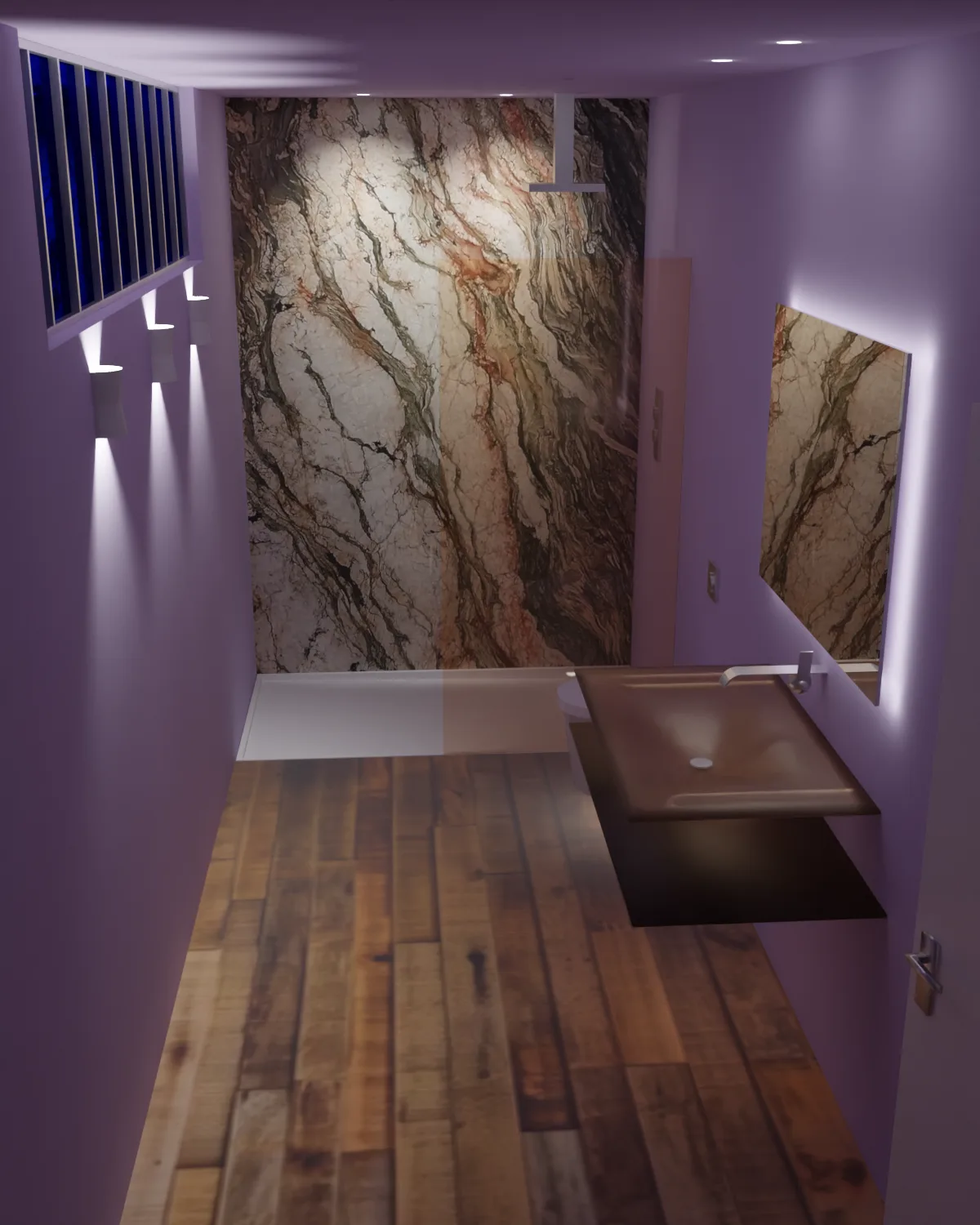
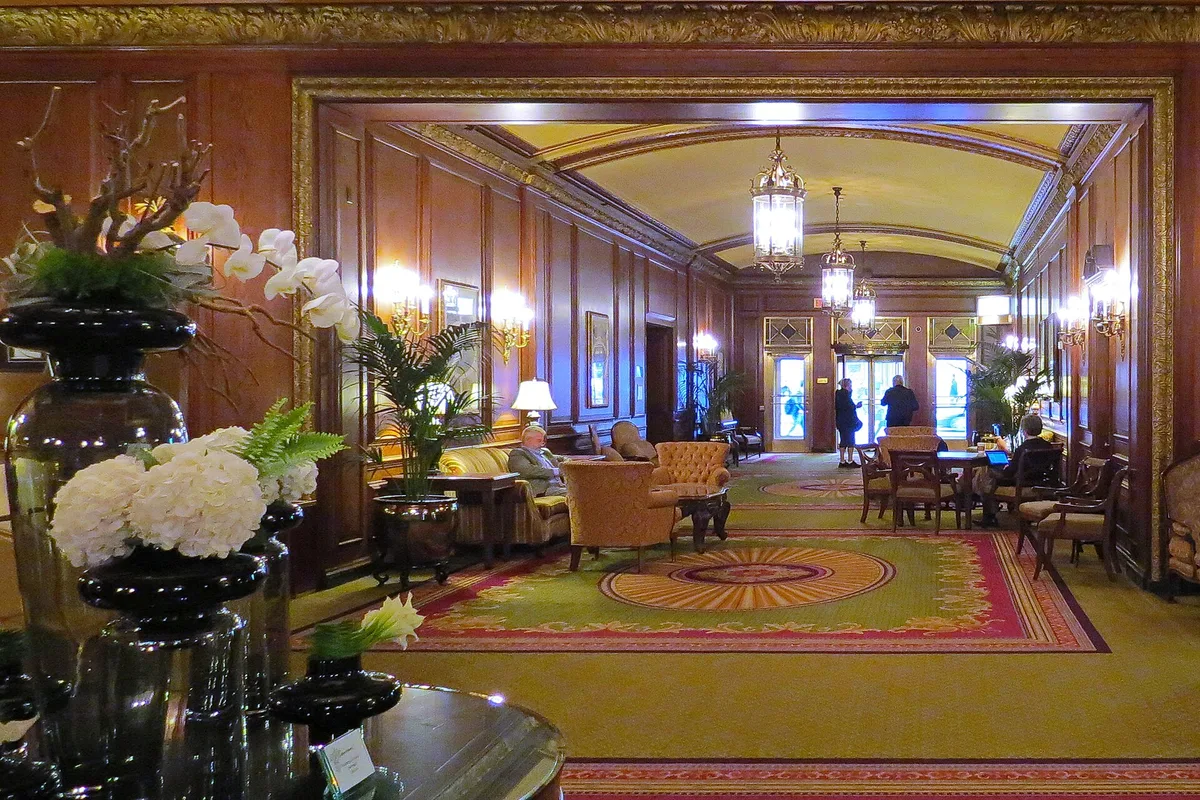
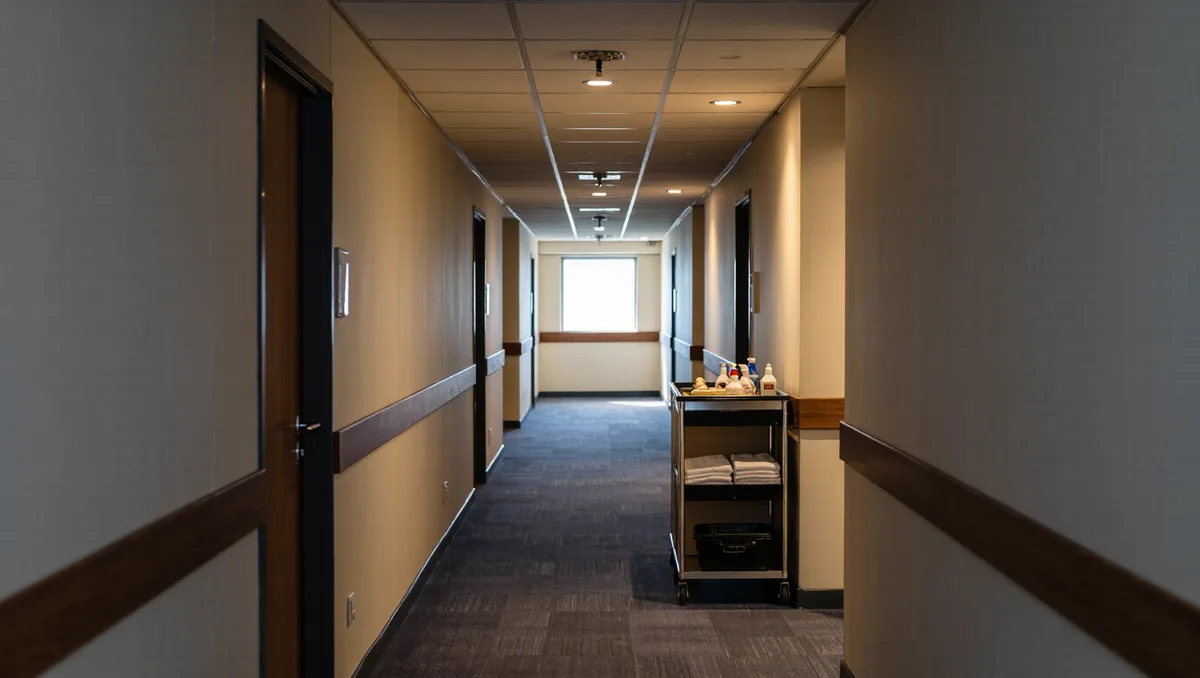
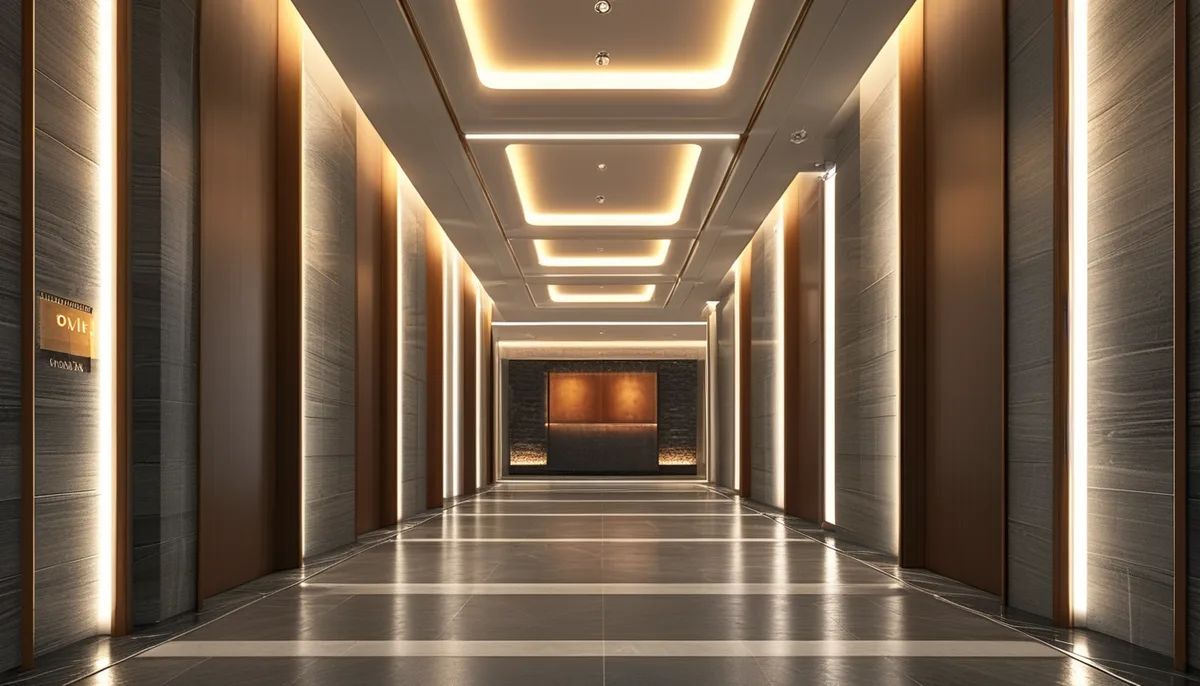
Hotel corridors and public spaces need three lighting layers: ambient light to move by, task light to work by, and accent light for mood. Here is how each layer works.
Back Bay, Seaport and Charlestown suit different travelers. Match the neighborhood to the trip, not the price screen.

A 50-key midscale signing beyond the metros reads as momentum. The evidence behind that reading is thinner than the release suggests.
A 35-room Santa Teresa property shows how material choices, a restaurant-led social scene and low-tech service can carry a five-star rating without a brand behind it.
Rate parity clauses look simple on paper. In practice, hotels price the same room differently across channels, and the gaps follow the economics, not the contract.

A hotel that tracks water in litres per occupied room can find leaks, pass certification audits and answer RFPs. One that tracks only the utility bill cannot.